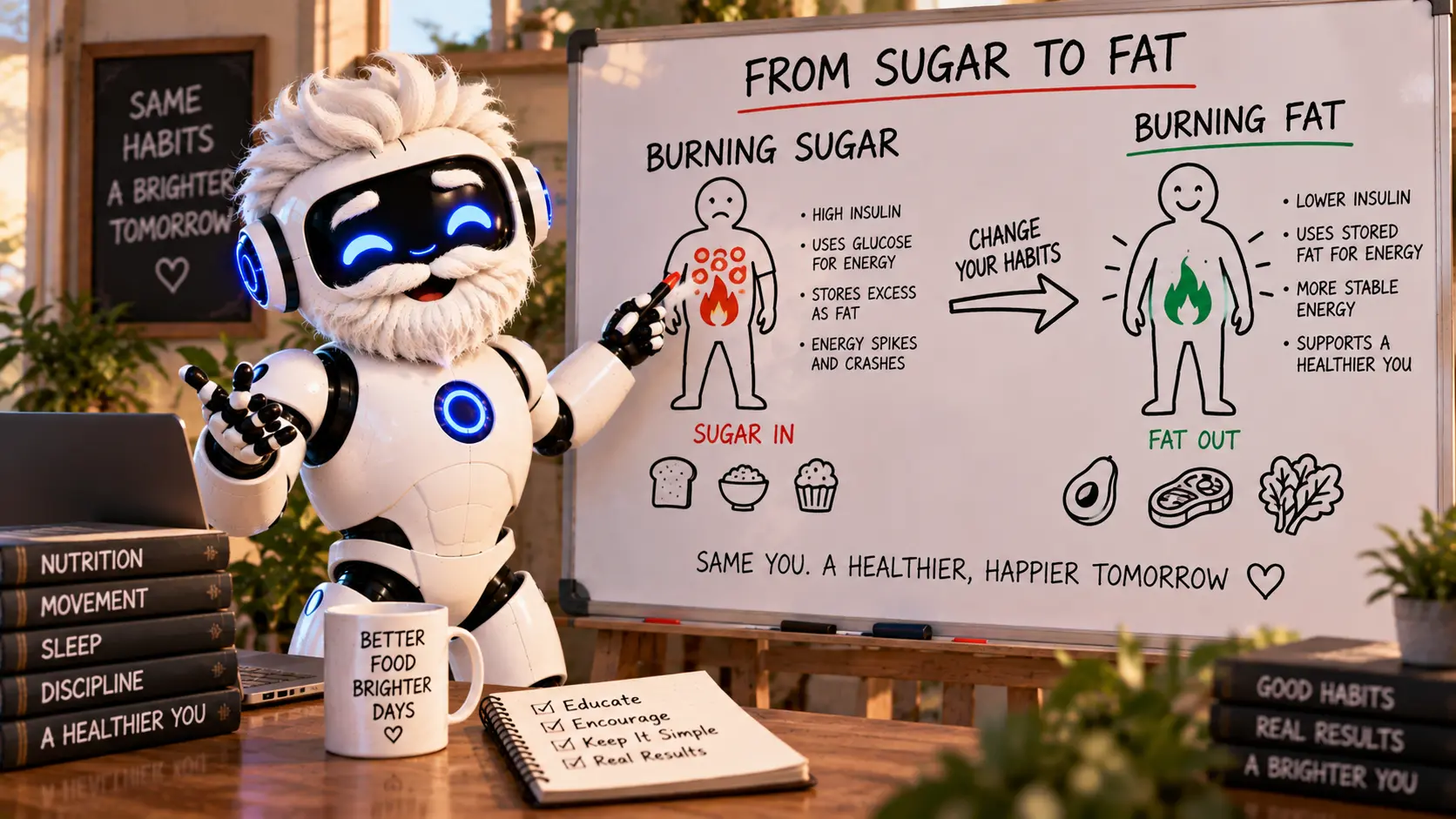
The ketogenic diet, aka keto, isn’t just another trendy low-carb plan. It’s a high-fat, super low-carb diet that flips the body’s fuel source from carbs to fat. That switch is what puts your body into a state called ketosis. That’s when your liver turns fat into ketones, and those ketones fuel your body and brain.
Originally, keto wasn’t even about weight loss. It started as a legit medical treatment in the 1920s for epilepsy. These days, people use it for all kinds of reasons — like managing blood sugar, dropping weight, or just feeling more focused.
What Keto Looks Like Day-to-Day
This diet is all about macronutrients. You’re changing up your food balance so your body works differently. Instead of burning carbs for energy, it burns fat.
You’ll be eating mostly fats, a moderate amount of protein, and hardly any carbs. That shift forces your body to use ketones instead of glucose. It’s not like Atkins, which lets you go a little heavier on the protein and carbs — keto’s stricter.
Summary of the breakdown:
- High fat — About 70% of your daily calories
- Moderate protein — Around 20%
- Very low carbs — Less than 10% (usually under 50g per day)
How Keto Actually Works in Your Body
Normally, your body runs on glucose from carbs. But when you eat way fewer carbs, your glycogen (stored carbs) runs out in a few days. That’s when the magic happens.
Your liver starts turning fat into ketones — an alternative fuel source. These ketones are super efficient for your brain and body. But it only works if you’re eating enough fat and not too much protein. Too much protein can be turned into glucose, which can pull you out of ketosis.
You’ll know you’re in ketosis when you get symptoms like dry mouth, more trips to the bathroom, and sometimes a weird fruity breath smell.
Where Keto Came From (Yep, It’s Been Around a While)
People have actually been using fasting and low-carb diets to treat epilepsy for centuries. But keto got its name in 1921 when Dr. Russell Wilder at the Mayo Clinic used it as a long-term alternative to fasting. It worked so well for epilepsy that it became the go-to treatment for kids who didn’t respond to medication.
Then meds got better, and keto kinda faded into the background — until the 1990s. That’s when the Charlie Foundation brought it back into the spotlight after one little boy’s seizures stopped thanks to the diet.
Since then, doctors and researchers have kept refining it into versions like the Modified Atkins Diet or Low Glycemic Index Treatment, which are a bit easier to follow.
Why People Use Keto Now (Besides Epilepsy)
Keto still rocks for epilepsy, especially in kids who don’t respond to meds. Doctors often try it after a couple of medications haven’t worked. When used properly, it can reduce seizures dramatically — sometimes even stop them.
But it’s way more popular now as a weight loss tool. At first, people drop water weight quickly. After that, the fat starts coming off. Keto can make you feel full longer, so you end up eating less without trying too hard. That said, staying on keto long-term can be tough, and the results vary from person to person.
Quick recap of what keto can help with:
- Epilepsy — Especially in kids with drug-resistant seizures
- Weight loss — Reduces hunger and helps burn fat
What Else Keto Might Help With
There’s more research happening now into other uses for keto beyond epilepsy and weight loss. Some early studies look promising, but it’s not a magic fix.
Here are a few health issues where keto might help:
- Type 2 diabetes — Might lower blood sugar and improve insulin sensitivity
- Heart health — Can improve triglycerides and HDL (the good cholesterol), but LDL (the bad one) might go up
- Brain stuff — Being tested for Alzheimer’s and Parkinson’s
- PCOS — May help with insulin levels and hormone balance
- Skin — Some people notice clearer skin
Keep in mind, a lot of this is still being studied. So don’t treat it like a cure-all.
What You Can and Can’t Eat on Keto
The main idea: ditch the carbs, load up on healthy fats, and keep protein steady. That means swapping out bread, rice, and sugar for stuff like avocados, eggs, and olive oil.
Foods to stick with:
- Meats, fatty fish, and eggs
- Low-carb veggies (think leafy greens and broccoli)
- Healthy fats like butter, coconut oil, and olive oil
- Nuts, seeds, and full-fat dairy
Foods to avoid:
- Bread, pasta, rice, and anything sugary
- Most fruits (berries are okay in small amounts)
- Potatoes, corn, and other starchy veggies
- Processed foods and soda
Helpful tips:
- Plan your meals ahead
- Track your carb intake
- Drink plenty of water
- Add electrolytes (especially at the start)
Side Effects and What to Watch Out For
The first week or so on keto can be rough. That’s when people feel what’s called the “keto flu.” It’s not dangerous, but it’s annoying — you might feel tired, cranky, or get headaches. That’s just your body adjusting.
If you stick with it, those symptoms usually pass in a few days. But there are some risks if you’re not careful. Cutting out entire food groups can mean you miss out on important nutrients. However, I have been on and off of Keto for well over 5 years and do not get any side effects!
Some stuff to keep an eye on:
Keto flu — Headache, fatigue, brain fog
Nutrient gaps — Not enough vitamins or minerals
Digestive issues — Constipation or diarrhea
Cholesterol changes — LDL may go up for some people
**Definitely check in with your doctor if you have any health issues before going full keto **
Supplements That Might Help on Keto
Since keto is so restrictive, some people use supplements to avoid deficiencies. Not everyone needs them, but they can help if you’re feeling off. Personally I have never needed supplements!
Some common ones:
- A basic multivitamin
- Electrolytes (like sodium, potassium, and magnesium)
- Omega-3s for heart and brain health
- Fiber if your digestion needs a boost
Talk to your doctor before adding supplements — especially if you’re on meds or have health conditions.
Coming Off Keto the Right Way
If you’ve been on keto for a while and wanna switch things up, you gotta do it slowly. But why would you!!
Don’t just dive back into pizza and pancakes overnight. That’ll spike your blood sugar and could make you feel pretty awful.
Instead, start reintroducing carbs gradually, stuff like sweet potatoes, fruits, and whole grains. Pay attention to how your body reacts.
Keep your portions in check and try not to fall back into old eating habits. The goal is to hang onto the health wins you got from keto, even after you stop doing it full-time. Better still; try a carnivore diet as I do!
Should You Try Keto?
Keto isn’t for everyone. But it can work great for certain goals, like controlling seizures, lowering blood sugar, or losing weight. The trick is doing it safely, with a plan, and ideally with a doctor or dietitian in your corner.
They say it’s not a forever diet for some people, but even short-term keto can have some benefits. Just make sure you know why you’re doing it, and be ready for the challenges. 1. What is a Keto Diet? The keto (ketogenic) diet is a very low-carb, high-fat, and moderate-protein eating plan designed to shift your body’s metabolism into a state called ketosis. In ketosis, your body burns fat for fuel instead of carbohydrates, producing compounds called ketones that can also supply energy to the brain. 2. How does the Keto Diet work? By drastically reducing your carbohydrate intake; usually to about 5–10% of your daily calories, and increasing fat intake, your body runs out of glucose (its usual energy source) and begins breaking down stored fat into ketones for energy. This metabolic shift is what’s known as ketosis. 3. What foods can you eat on a Keto Diet? On a standard keto diet, you focus on eating foods high in fat (such as oils, butter, fatty fish, and avocados) , moderate in protein (meat, eggs, cheese) , and very low in carbohydrates (leafy greens, non-starchy vegetables). Foods to avoid include most fruits, grains, starchy vegetables, and anything high in sugar. 5. How can intermittent fasting speed up the process? Intermittent fasting helps you get into ketosis faster.
When you stop eating for a while, your body runs out of stored carbs (called glycogen) quicker. Once that’s gone, it starts burning fat for fuel instead. This switch makes your body produce ketones, which means you’ve entered ketosis.
Here’s the simple breakdown:
- Your body uses up sugar from your last meal
- Then it uses stored carbs in your liver and muscles
- After that, it starts burning fat and makes ketones
- Fasting also drops your insulin, which helps with fat burning
- Doing this with a low-carb diet speeds things up even more
- Exercise while fasting helps you get there even quicker
Bottom line: Fasting helps your body switch to fat-burning mode faster, so you hit ketosis sooner. 5. What is “keto flu” and how can you manage it? “Keto flu” refers to a group of symptoms, such as fatigue, headache, and muscle cramps, that some people experience when first starting the diet. It’s usually temporary and linked to electrolyte imbalances as your body adapts to burning fat for fuel. Staying hydrated and maintaining adequate electrolyte intake (sodium, potassium, magnesium) can help manage these symptoms.
Quick heads-up : This blog is just for info, not medical advice. Talk to your healthcare provider before starting any diet, especially one as different as keto.