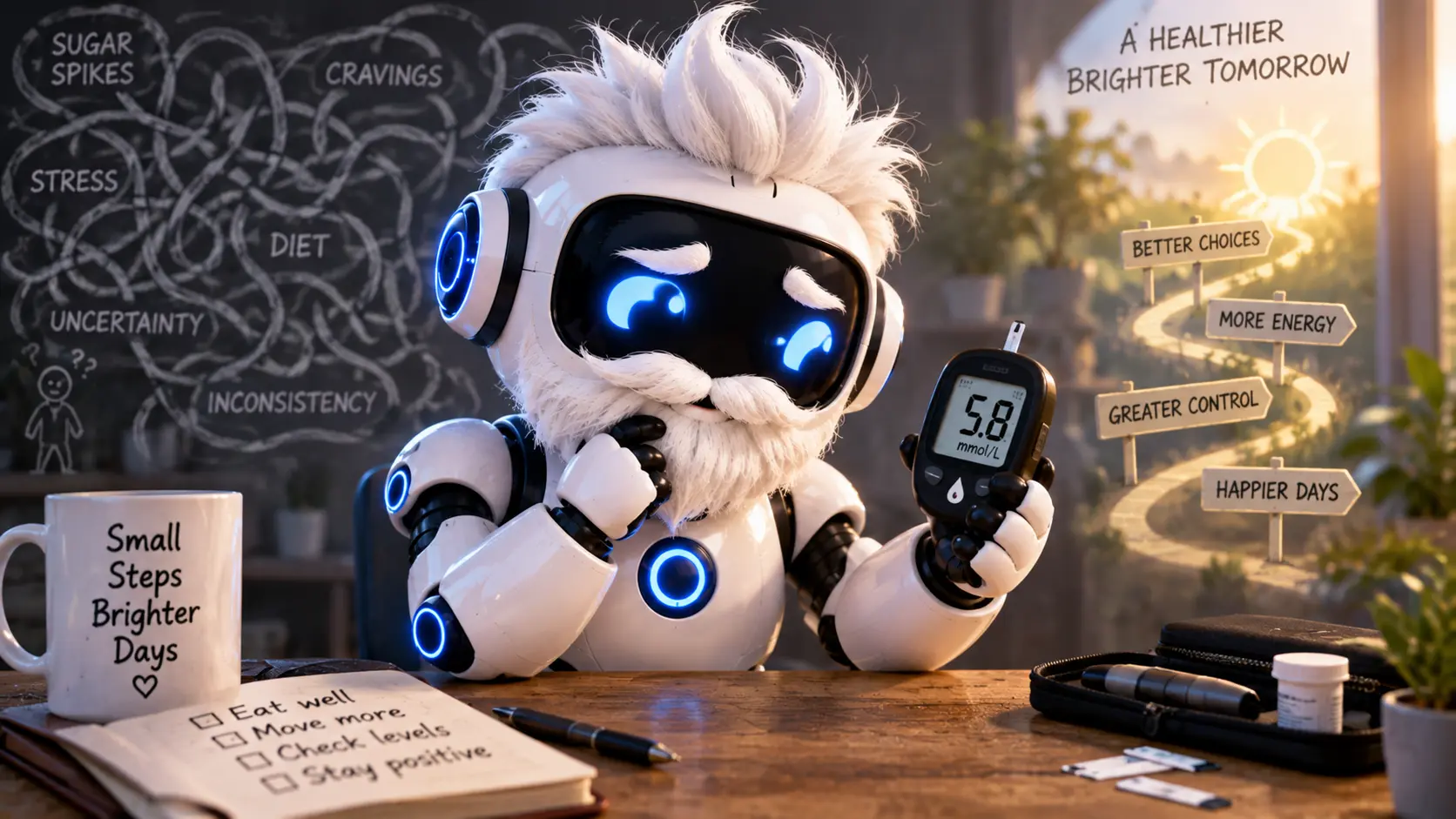
I didn’t always know what insulin resistance was. Honestly, it sounded like one of those things that happens to “other people.” People with diagnosed health conditions or people who drank soda with every meal. I thought I was doing fine, eating pretty well, staying active enough, living life. Then I hit a wall.
I was tired all the time. I’d eat, and instead of feeling energized, I felt like I needed a nap. My belly started growing its own personality, even though the rest of my body looked more or less the same. I couldn’t focus. I couldn’t lose weight. And every time I went to the doctor, my bloodwork came back “normal.” But nothing felt normal.
That’s when I started digging. And that’s when I found out about insulin resistance. Turns out, I’d been living with it for years and didn’t have a clue. So What Is It, Really?
In plain terms : when you eat, your body breaks down food into sugar (glucose). Your body sends that sugar into your blood, and your hormone insulin helps push it into your cells so they can use it for energy.
But if your cells stop listening to insulin properly, like mine did, your body just keeps pumping out more and more insulin to try to get the job done. At first, this works. Then it doesn’t. The sugar starts hanging around in your blood too long. Your insulin stays high. And things start breaking down.
That’s insulin resistance.
The basics:
- Your body stops responding to insulin
- Sugar stays in your blood longer
- Your body keeps pumping out more insulin to compensate
Why It Hit Me Hard
I didn’t suddenly gain 30 pounds overnight. I didn’t get a scary diagnosis. That’s what made it harder to spot. It was more like a slow leak than a blowout. I had less energy after meals, not more. I couldn’t get through the afternoon without caffeine or sugar. I was gaining weight in weird places. My focus got worse. I thought it was aging. Or stress. Or both.
But it was my body quietly falling out of sync. And the longer I ignored it, the more it messed with everything: my sleep, my mood, my metabolism. Looking back, all the signs were there. I just didn’t know what I was looking at.
Looking back: My Insulin Resistance Red Flags:
- Crashing after meals
- Gaining belly fat even when eating “healthy”
- Brain fog and trouble concentrating
- Needing sugar or caffeine just to function
How I Probably Got Here
When I finally connected the dots, the cause made way too much sense. It wasn’t one big thing. It was a stack of small ones. Eating too many quick carbs (hello, toast and cereal), barely moving during the workday, staying up too late, constantly juggling 15 things at once. All of that added up. My body was just trying to keep up. Eventually, it couldn’t.
Even if I wasn’t bingeing on sugar, I was still feeding myself a steady stream of food that kept my insulin high all day. That alone was enough to get me in trouble.
My daily habits were working against me:
- Too many processed carbs
- Not enough movement
- Sleep all over the place
- Living in constant stress mode
What I Did to Turn It Around
Once I knew what I was dealing with, I didn’t try to overhaul my life overnight. I didn’t go on some hardcore cleanse or swear off carbs forever. I just got real with myself and started making actual changes.
First thing I did was clean up how I ate. Not perfect, not extreme, just honest. I cut out the easy sugars: sweet drinks, desserts, and the snacks I grabbed when I was tired.
I started building meals around protein instead of bread. Eggs in the morning, chicken or beef with lunch and dinner, with veggies and something that actually filled me up. If I wanted carbs, I had them, but smarter ones. A baked potato, not a bagel. Oats, not sugar-coated cereal.
I stopped grazing all day and actually gave my body breaks between meals. But don’t get me wrong – these are almost as bad! I turned to eating fat to lose fat!
And yes, I started walking more. I didn’t suddenly become a gym rat. I just stopped sitting all day. Ten minutes after meals. A real workout a few times a week. Lifting weights helped more than I expected. Not for burning calories, but because building muscle made a huge difference in how my body handled food.
Moving more is one of the simplest things you can do for insulin sensitivity, and it’s a big part of why I put together my exercise page.
Sleep was a bigger deal than I gave it credit for. I used to treat it like the thing I’d squeeze in after everything else. Now I protect it. No screens in bed. No late-night snacking. No more hitting “next episode” five times in a row. When I sleep better, I feel better. Period.
Stress was the sneakiest part. I didn’t think I was that stressed, but my body told a different story. I wasn’t taking breaks. I was going from one thing to the next without breathing. So I started building in pauses, real ones. A walk without my phone. A few deep breaths before a meal. Journaling for five minutes. Laughing at dumb stuff on purpose. It all helps.
What actually worked:
- Cutting sugar and processed carbs
- Centering meals around protein
- Walking daily , lifting a few times a week
- Prioritizing sleep like it mattered
- Managing stress in small, doable ways
Insulin Resistance and what changed
The difference didn’t show up all at once, but it showed up. I stopped crashing after meals. I had more steady energy. My belly started shrinking. My focus came back. I didn’t feel so foggy all the time. And yeah, the number on the scale moved too; but more importantly, I felt like me again.
Insulin resistance wasn’t a mystery anymore. It was just a signal. My body was waving a red flag, and once I started listening, I was able to course-correct. I didn’t need to be perfect. I just needed to be consistent.
Real wins I noticed to fight insulin resistance:
- More energy , less crashing
- Better focus and mood
- Easier fat loss , especially around my waist
- No more constant hunger or cravings
Insulin Resistance Conclusion
If anything in this story sounds familiar; if you’re always tired, always hungry, gaining weight even when you’re trying, or just not feeling sharp anymore, don’t brush it off. You’re not lazy. You’re not broken. But your body might be trying to tell you something. I stand by my statement: sugar and cocaine are the same poisons!
For me, it was insulin resistance. And once I knew that, I had a path forward.
This isn’t about going to extremes or beating yourself up. It’s about getting honest about what’s not working, and doing something different. One step at a time. You don’t need a complicated plan. Just stop doing the stuff that pushes your body out of balance, and start giving it what it actually needs. That’s how youtake your energy back. That’s how you take you back.